 February 18, 2026
Why Remote Governance in Africa Is No Longer Optional
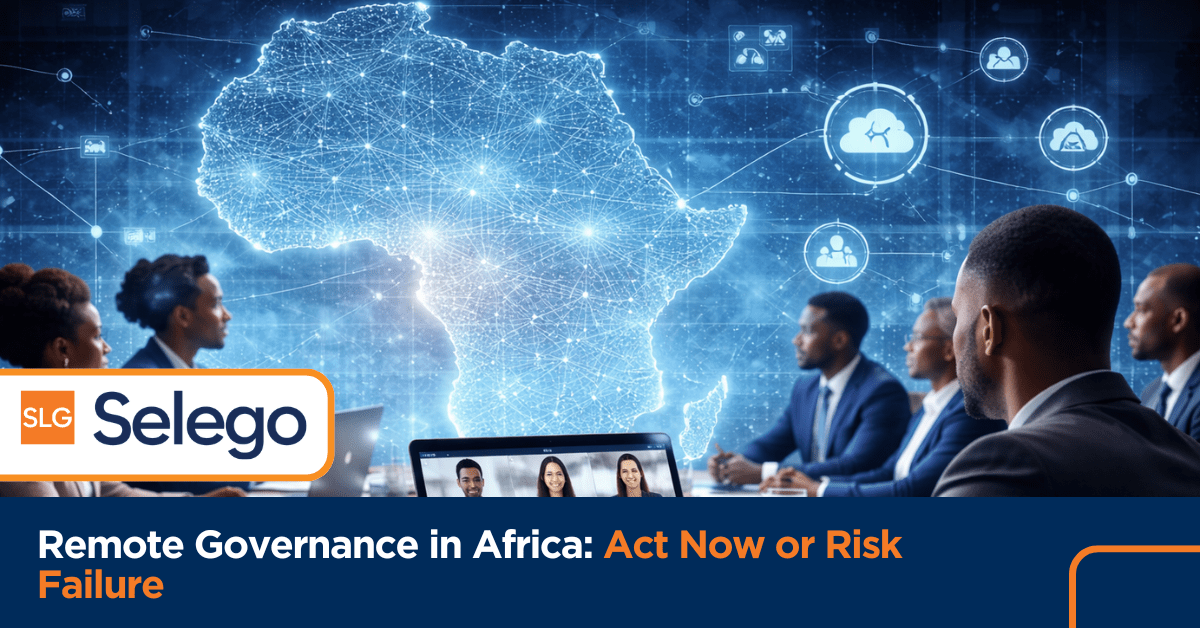
A fundamental transformation is unfolding across African boardrooms. Remote governance in Africa is no longer theoretical—it is a strategic necessity.
As organisations adopt remote and hybrid operating models, traditional governance frameworks built on physical oversight are becoming outdated. Consequently, boards must rethink how they oversee accountability, compliance, digital risk, and long-term performance.
To remain resilient, many organisations are now strengthening their frameworks through structured corporate governance advisory services in Kenya that align digital operations with board-level oversight.
Failure to adapt does not simply create inefficiencies—it exposes organisations to governance blind spots, regulatory scrutiny, and reputational risk.
What Is Remote Governance and Why It Matters
Remote governance refers to the strategic oversight of organisations operating in distributed, digitally enabled environments.
It includes governance of:
- Digital collaboration systems
- Remote accountability structures
- Cybersecurity and data protection
- Cross-border regulatory obligations
- Ethical digital workflows
In this environment, boards must steward not only financial systems but also digital infrastructure and human capital.
Strong governance in remote settings requires integrated legal advisory services in Kenya to ensure compliance with the Companies Act, 2015, data protection laws, and evolving regulatory frameworks.
The Governance Shift: From Oversight to Foresight
Historically, governance focused on statutory filings, board minutes, and financial oversight. While these remain essential, remote governance in Africa demands foresight.
Oversight asks: What happened?
Foresight asks: What could happen next?
To achieve this shift, boards must embrace:
- Trust-based leadership systems
- Asynchronous clarity in decision-making
- Outcome-driven dashboards
- Adaptive resilience strategies
Operationalising this transition requires disciplined documentation and statutory alignment, often supported by professional company secretarial services in Kenya to ensure registers, resolutions, and compliance records remain accurate even in remote environments.
Key Governance Risks in a Remote-First Environment
1. Data Protection and Digital Compliance
Remote operations increase cybersecurity and privacy risks. Boards must ensure alignment with Kenya’s Data Protection Act and implement documented oversight frameworks.
2. Statutory and Regulatory Compliance
Even in remote environments, companies must maintain:
- Updated statutory registers
- Accurate board resolutions
- Timely regulatory filings
Integrated corporate support services help organisations manage compliance consistently across jurisdictions.
3. Cross-Border Leadership and Immigration Compliance
Remote leadership often involves foreign directors or consultants. Immigration compliance must remain aligned with regulatory expectations.
For organisations managing international executive mobility, immigration services in Kenya provide structured support to ensure lawful and compliant engagement.
4. Secure Custody of Governance Documentation
Remote governance requires secure storage and management of corporate records, including statutory registers and board minutes. Custodial services strengthen record integrity and protect against governance disputes.
Why Remote Governance in Africa Is a Strategic Mandate
Across Africa, regulatory scrutiny is increasing. Investors demand ESG transparency. Stakeholders expect ethical digital leadership.
As a result, remote governance is not operational—it is strategic.
Boards that adapt will:
- Strengthen accountability
- Improve digital resilience
- Protect stakeholder trust
- Enhance long-term enterprise value
Boards that fail to evolve risk governance failure.
How Selego Africa Supports Remote Governance Transformation
Selego Africa LLP supports boards and executive teams across Kenya and Africa by delivering:
- Corporate governance advisory
- Legal advisory and statutory compliance
- Company secretarial services
- Policy development and review
- Data protection alignment
- Immigration compliance support
Through strategic governance workshops, Selego Africa helps boards:
- Redefine performance metrics in digital environments
- Translate remote leadership principles into measurable dashboards
- Strengthen digital risk oversight
- Build adaptive capacity in volatile markets
By combining technical expertise with practical implementation, Selego Africa enables organisations to move from reactive compliance to resilient governance.
Frequently Asked Questions (FAQ)
1. What is remote governance in Africa?
Remote governance in Africa refers to the board’s strategic oversight of organisations operating in digital or distributed environments, including compliance, digital risk, and remote accountability systems.
2. Does remote governance replace statutory compliance?
No. Remote governance expands traditional compliance frameworks. Companies must still meet obligations under the Companies Act, 2015 and related regulatory laws.
3. Why are company secretarial services important in remote environments?
Professional company secretarial services ensure statutory registers, resolutions, and filings remain accurate and compliant even when teams operate remotely.
4. How does remote governance affect data protection obligations?
Remote operations increase exposure to cybersecurity and privacy risks. Boards must implement structured oversight to comply with Kenya’s Data Protection Act.
5. How can Selego Africa support boards transitioning to remote governance?
Selego Africa provides corporate governance advisory, legal advisory, company secretarial services, immigration compliance, custodial services, and structured board workshops to support remote governance transformation.